

I am a medical academic by virtue of holding a teaching post with the University of Plymouth’s Peninsula Medical School.
I teach one or two days a week, mostly on professionalism and sometimes on evidence-based medicine. I’m not sure I fit what you might expect of a medical academic: I’m not senior (well, except for my age), I’m certainly not a grand professor with hundreds of papers. I’m a GP.
However, I work for, and am paid by, a university, and indeed this is currently my primary salaried post.
Beyond the obvious importance of medical research to the UK, I think we should all be thinking seriously about the future education of medical students and residents. It really matters that we have doctors teaching doctors, and I firmly believe in the BMA’s work to promote this and support the medical academics based across the UK.
To keep doing that effectively, we might need to think a little differently about how we perceive ourselves – maybe you are a medical academic too and just hadn’t realised it?
On 12 June, we will hold the 2026 medical academics conference – the BMA’s forum for doctors whose work includes medical education and research. This is where we debate the issues that affect us, explore the future of medical academia in the UK and decide policy that will shape the work of the BMA medical academic staff committee.
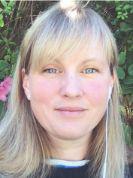 DAVIS: Help shape the work of the BMA
At its core, the conference is for doctors who are substantively employed by universities and medical schools to deliver medical education and/or undertake medical research. But it is also for those like me, whose work intersects with academia in other ways – such as NHS or portfolio doctors with honorary academic contracts, or who work in related sectors such as the pharmaceutical industry. Wherever you are on that spectrum, I hope you will consider attending.
More details about registration and the conference programme will be shared once the planning is finalised. For now, we are calling for motions for debate. If there is an issue you want to get on to the BMA agenda, submitting a motion is the most effective way to do so. I encourage you to read or watch our guidance on how to turn your idea into a motion, then submit it by email before 1 April.
Do also contact us if you need more information or advice to help with writing your motion.
I look forward to welcoming you to our conference.
Lucy-Jane Davis is chair of the 2026 BMA medical academics conference